
What is Zero-Party Data Collection? | Shopify Guide
Turn casual browsers into loyal buyers. Unlock the power of zero-party data to personalize offers and scale your revenue.
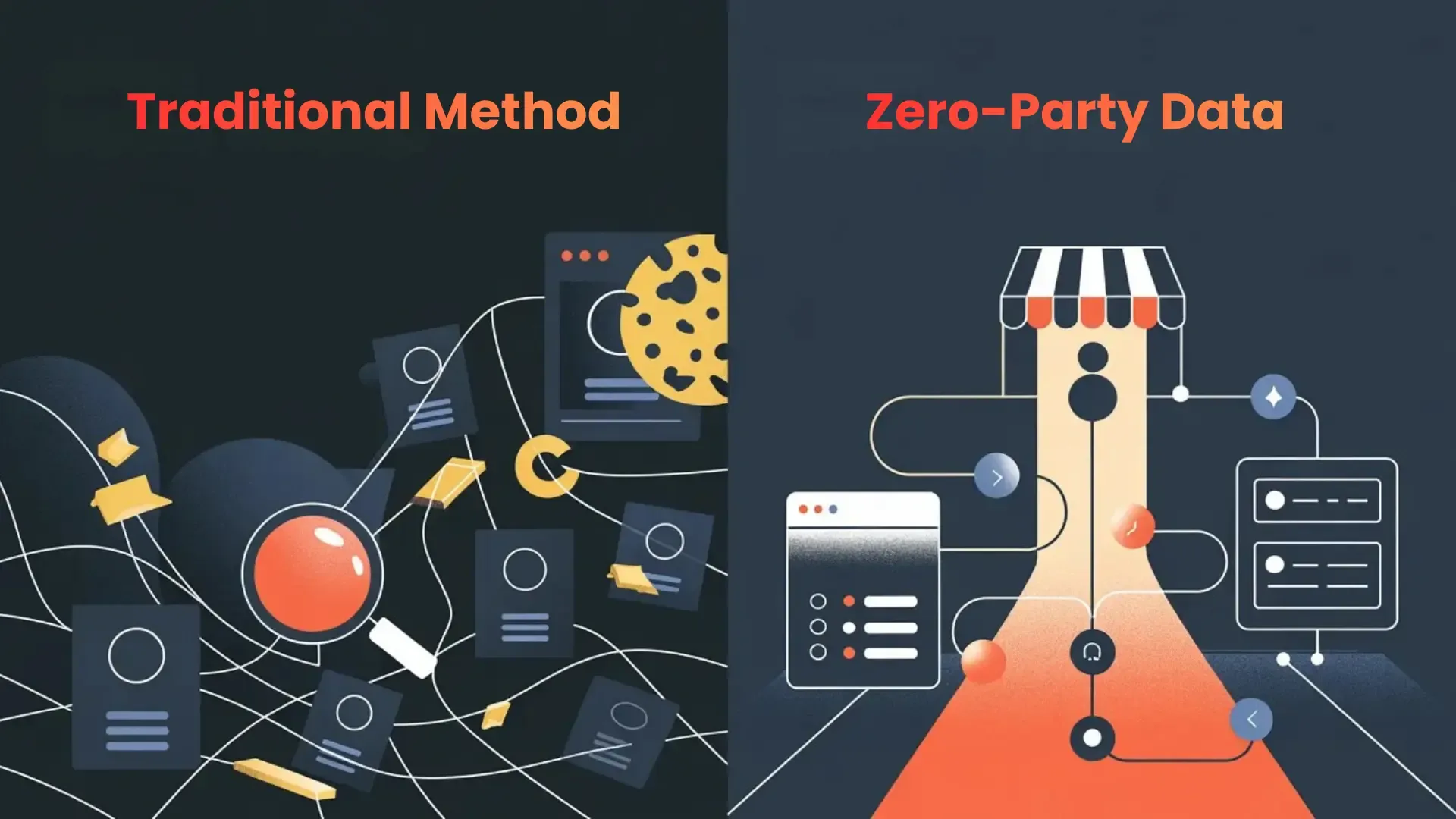
We all know the feeling of being secretly tracked online, which is exactly why smart Shopify brands are switching to zero-party data collection. You look at a pair of shoes on a website, and suddenly, those exact shoes follow you around the internet for weeks.
It feels creepy.
For a long time, marketers relied on this kind of background tracking to gather consumer data and sell products. But times are changing. Browsers are blocking third-party cookies, digital privacy laws are getting stricter, and quite frankly, shoppers are annoyed.
So, how do you figure out what your customers want if you cannot track them behind the scenes?
You just ask them.
This simple idea is called zero-party data collection, and it is completely changing how successful Shopify stores do business.
What is Zero-Party Data?
At its core, zero-party data collection is simply the practice of gathering information that a customer willingly and intentionally shares with your brand.
By moving away from tracking broad user behaviors, you give them a chance to tell you directly. This includes soft attributes like their skin type, their personal interests, their exact communication preferences, or what kind of products they are looking for today.
To make this crystal clear, let's look at how this data type compares to the other types of customer information you might hear about:
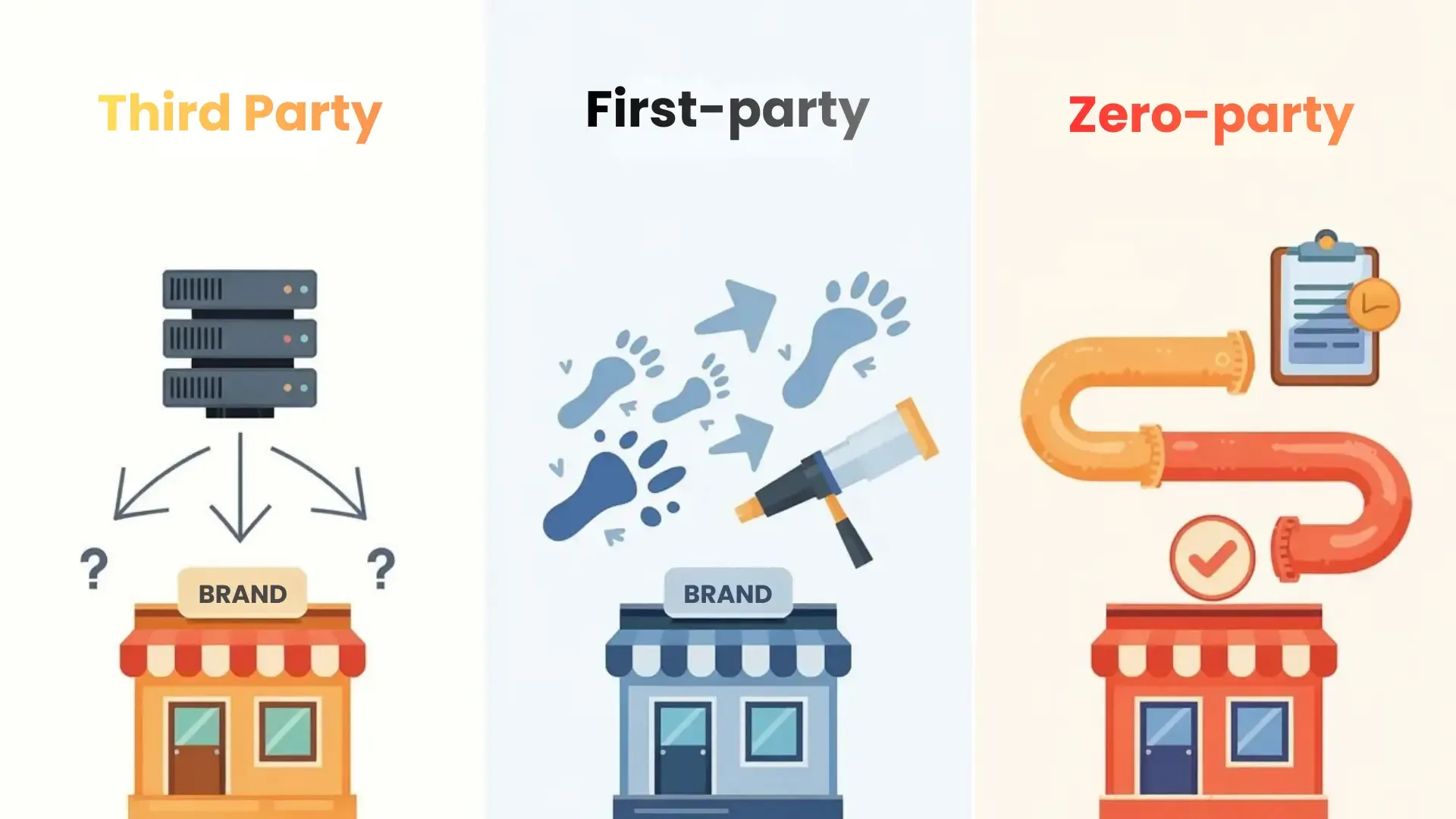
- Third-Party Data (The Rumor): You buy a list of information from another company. It tells you that people in a certain zip code usually like coffee. It is a guess, and it is often wrong.
- First-Party Data (The Observation): You notice that a shopper spent five minutes looking at coffee mugs on your website. You assume they want a mug. It is a good guess based on customer behavior, but maybe they were just window shopping.
- Zero-Party Data (The Conversation): You ask the shopper, "Do you prefer coffee or tea?" and they click "Coffee." You know exactly what they want because they told you themselves.
Why Is Zero-Party Data So Important Right Now?
If you want your store to grow, you cannot rely on old tracking methods. Here is why zero-party data collection is taking over the e-commerce world:
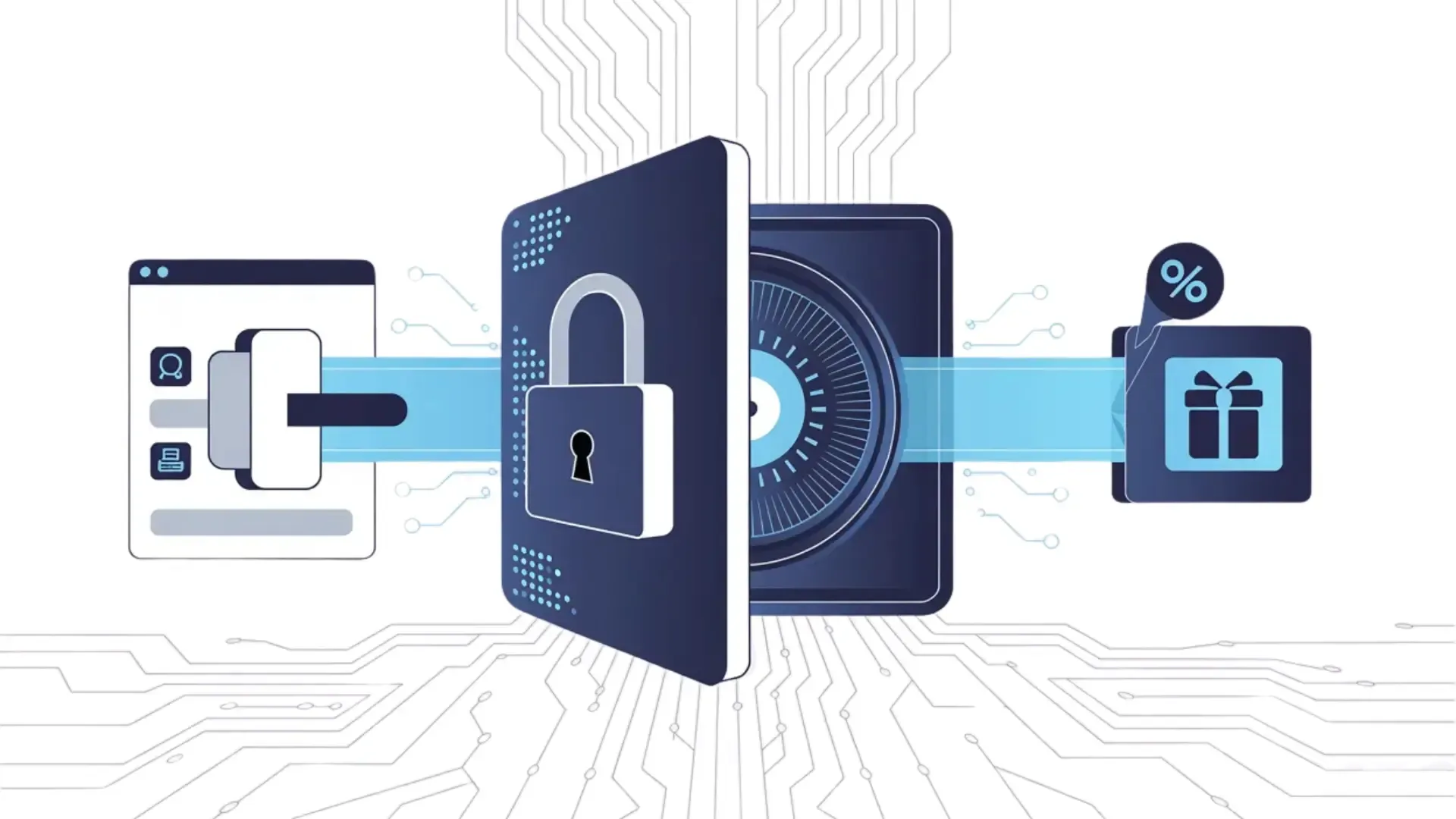
- What makes zero-party data beneficial is the mutual trust it builds. When a customer willingly hands over their preferences, they are much more likely to tell the truth. Why? Because they clearly see the user benefits, like getting a personalized discount popup in exchange for their time. Respecting user privacy pays off.
- It is 100% accurate. Unlike third-party data that focuses on broad segments of general consumers, zero-party data comes directly from the individual. When they tell you exactly what they are looking for, your marketing hits the bullseye every single time.
- With zero-party data collection, the customer is actively handing you the information. You do not have to worry about breaking strict privacy laws or security regulations because the shopper gave you clear, upfront permission.
4 Easy Ways to Collect Zero-Party Data
The biggest mistake store owners make with zero-party data collection is asking for too much information at once. Long, boring forms will kill your conversion rate. It needs to be fun, fast, and rewarding.
Here are the best ways to collect it on your Shopify store:
The Interactive Quiz
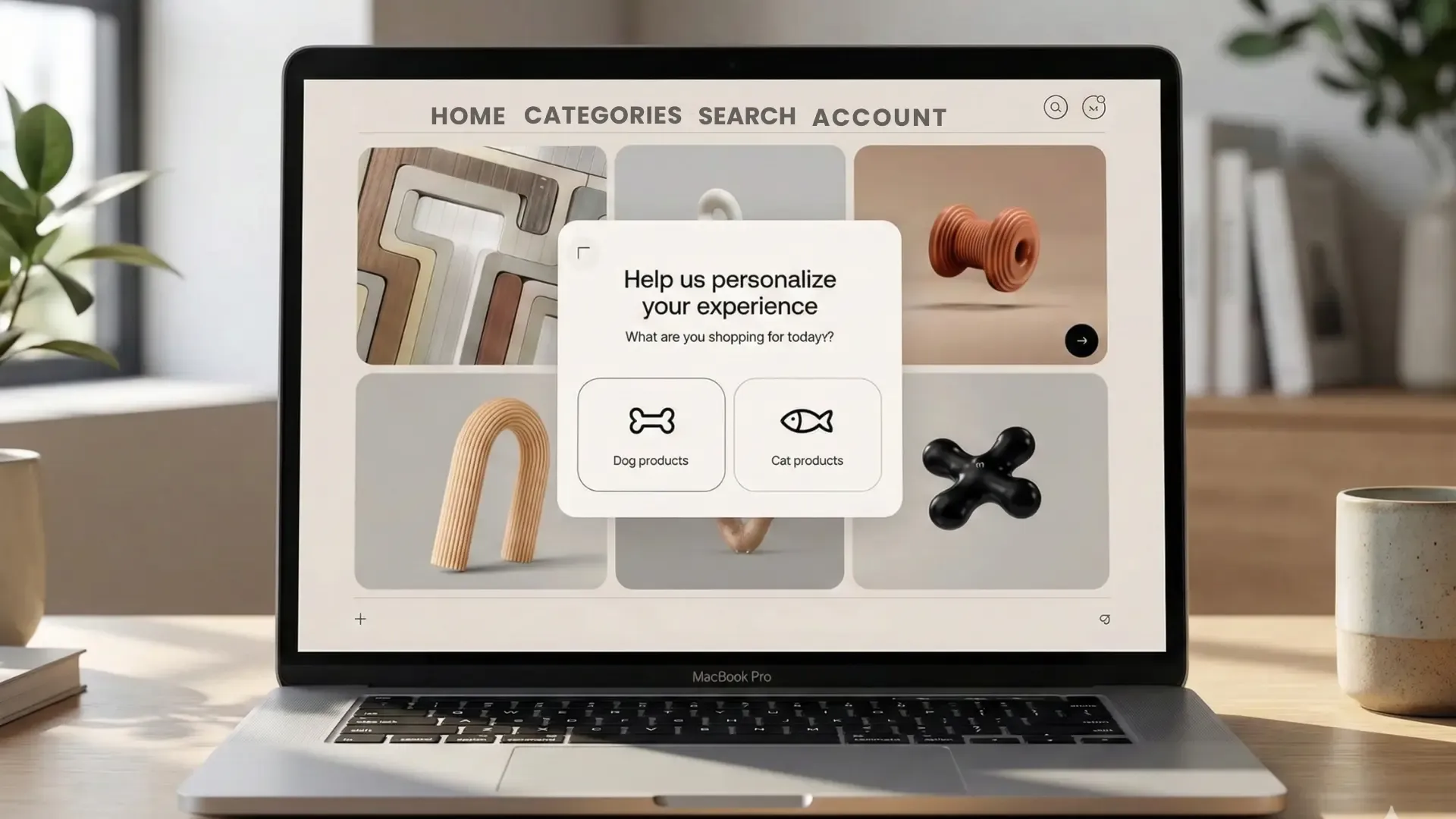
Creating interactive experiences like a quiz or running engaging contests are some of the most effective tools for zero-party data collection. Instead of hitting new visitors with a boring popup, try a quiz that drives meaningful interactions. If you sell pet supplies, ask, "Are you shopping for a dog or a cat?"
Smart, Timed Triggers
Nobody likes being interrupted the second a website loads. Instead, use smart logic (like the AND/OR rules built into the Optinify app) to ask questions at the perfect moment and capture data in real time.
Floating Buttons
Sometimes, shoppers just are not ready to answer a question or take an offer when it first pops up. By using a small, floating button on the side of your screen, you leave the door open. When they are finally ready to take your style quiz or claim an offer, they can click the button on their own terms. It acts as a friendly safety net.
Post-Purchase Surveys
The moment right after someone buys something is pure gold. On your thank-you page, ask one simple question: "Was this a gift, or is it for you?" If they say it is a gift, you instantly know to remind them about it at the same time next year.
How to Put Your Data to Work
Mastering zero-party data collection is only step one. The real magic happens when you use these insights to give your customers a better shopping experience.
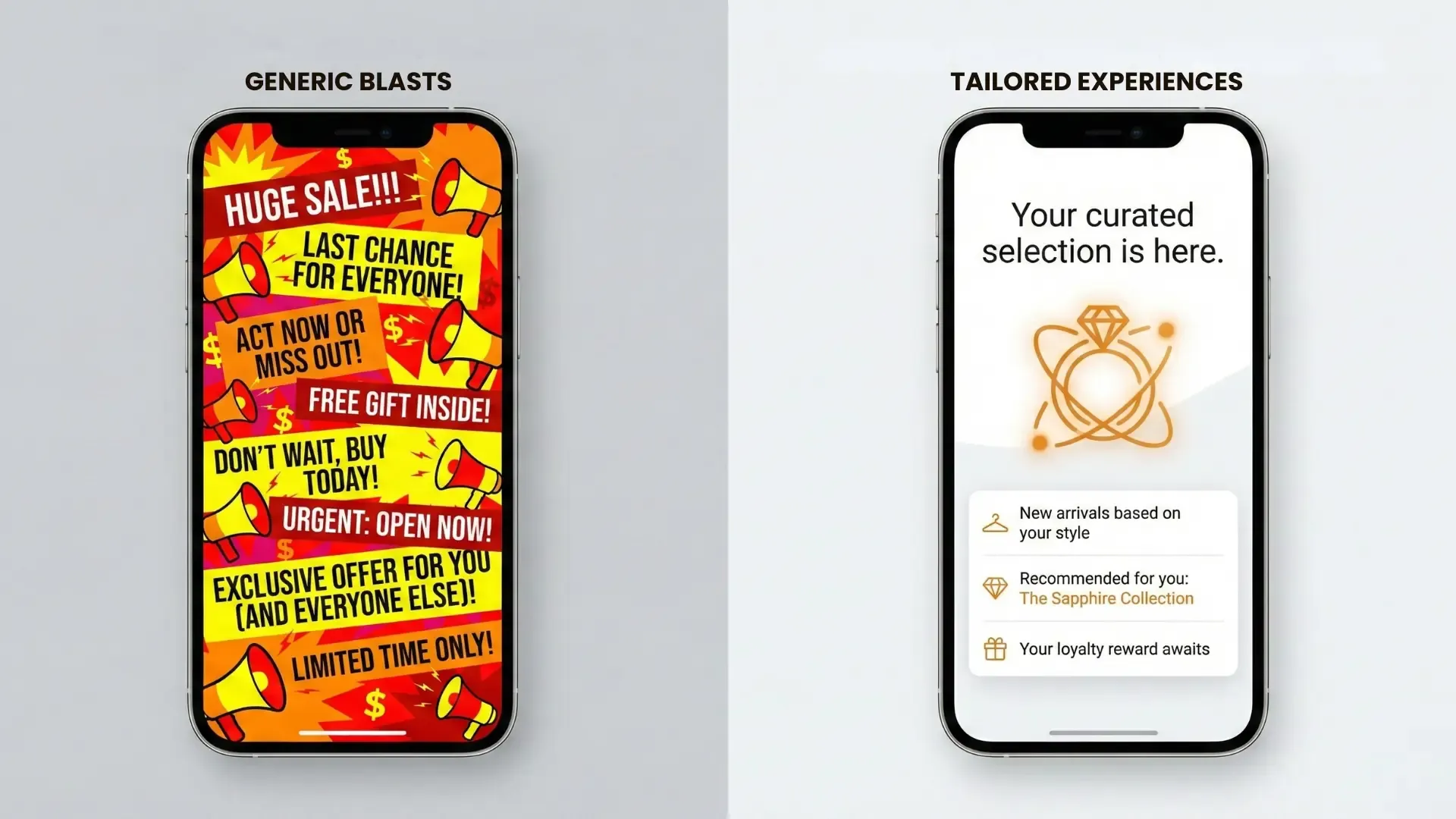
- Stop the email blasts: If a customer tells you they only wear silver jewelry, stop sending them irrelevant messages across your marketing channels about your new gold collection. Send them exactly what they like. Zero-party data becomes most powerful when it feeds into a complete Shopify marketing strategy, including email flows and on-site personalization
- Better product recommendations: Use their specific customer preferences to show items on your homepage that match the exact choices they selected in your popup quiz. This level of personalization ensures you are highlighting the right product preferences, driving highly personalized recommendations, and offering spot-on product suggestions.
- Smarter product development: When thousands of shoppers tell you exactly what they wish you sold through your quizzes, you know exactly what to manufacture or stock next.
- Custom VIP rewards: If you know a shopper’s birthday or their favorite product category, send them a personalized sales promotion that makes them feel valued.
The Takeaway
At the end of the day, zero-party data collection is just good customer service. It is anticipating customer needs and treating your online shoppers the same way a friendly store clerk would treat someone walking through the front door.
Stop guessing what your customers want. Start asking. When you make it easy and rewarding for them to share, you can do this at scale, build a loyal customer base, and ensure your marketing actually works.